Seat
The shape of the seat, which shapes the back of the trousers.
On a try-on
Prominent makes the trousers pull at the back with too little volume, and they can drop at the back when worn. Flat leaves extra fabric at the seat, with diagonal folds toward the back of the upper thighs. Low means the seat sits lower on the body, so the trouser back drops too low and folds under the seat.
Without a try-on
From the side, a seat that clearly passes the back line is Prominent, and a nearly flat seat profile is Flat. A low seat is harder to judge without a fitting.
A pair of trousers the client knows well helps: ask whether they tend to drop at the back (Prominent) or always have extra fabric behind (Flat).
Options
- Normal
- Prominent 0.5
- Flat 0.5
- Low 0.3
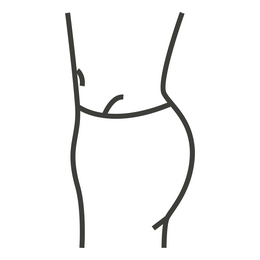 | 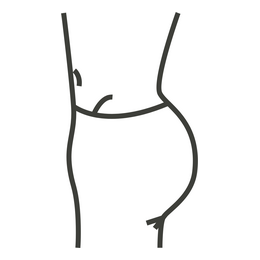 | 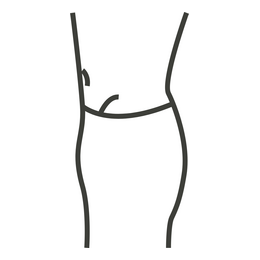 | 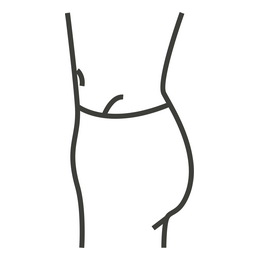 |
| Normal | Prominent 0.5 | Flat 0.5 | Low 0.3 |
When in doubt
The client's own experience with a familiar pair is often more reliable than a look.
Waist Height
Where the client naturally wears the trousers, or prefers to. Regular is the natural waistline. Low values step down in centimeters. Handle this with care, because a wrong waist height creates fit problems that are hard to trace later.
On a try-on
Watch where the client sets the waistband. If, set at the correct height, the trousers make horizontal folds below the waistline at the front because they want to sit below the stomach, that points to Low. Folds behind the thighs or toward the knees can point to High.
Without a try-on
Unless the client means to wear the trousers with suspenders or below the stomach, it is best not to guess without a fitting. Regular is almost always the safest starting point.
Options
- High 1.0, High 2.0, High 3.0, High 4.0
- Regular
- Low 1.0 down to Low 9.0
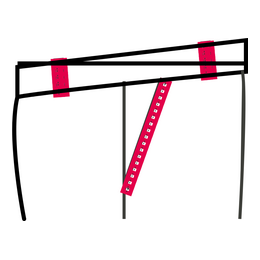 | 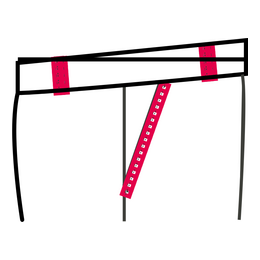 | 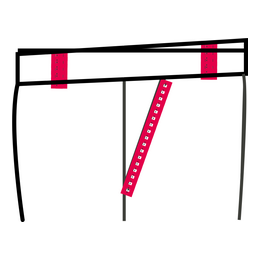 | 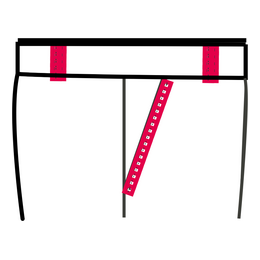 | 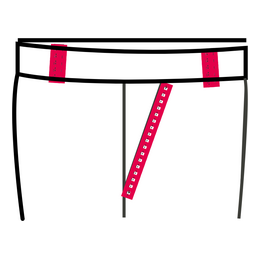 |
| High 4.0 | High 3.0 | High 2.0 | High 1.0 | Regular |
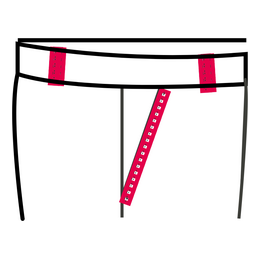 | 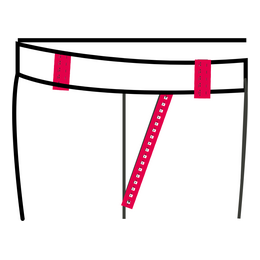 | 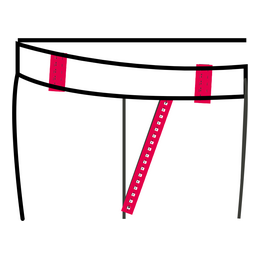 | 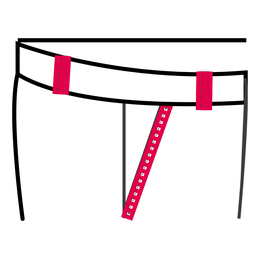 | 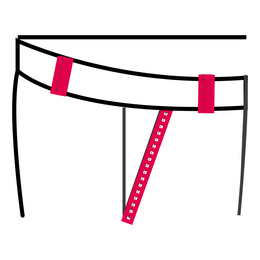 |
| Low 1.0 | Low 2.0 | Low 3.0 | Low 4.0 | Low 5.0 |
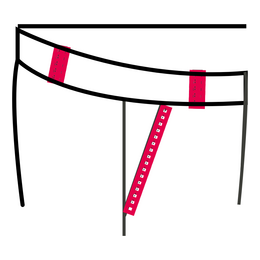 | 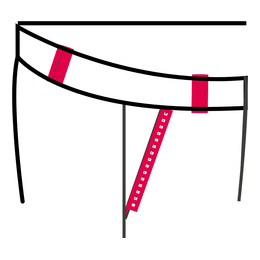 | 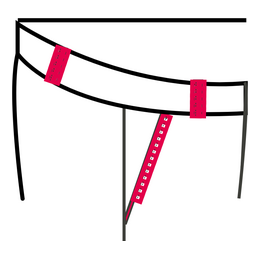 | 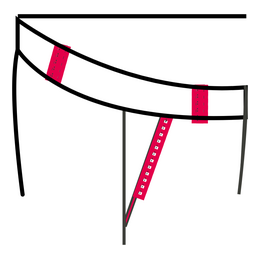 |
| Low 6.0 | Low 7.0 | Low 8.0 | Low 9.0 |
When in doubt
This is the setting most tied to personal preference, so default to Regular, the easiest to correct at the try-on or alteration stage.
This article explains the setting. It is not an assessment of your client. We can explain what the setting does, but the choice stays with you and your brand.
Was this article helpful?
That’s Great!
Thank you for your feedback
Sorry! We couldn't be helpful
Thank you for your feedback
Feedback sent
We appreciate your effort and will try to fix the article